21–23 June 2024

Grow Up! A Horticulture Camp Out
Friday 21 June, 4pm start, until Sunday 23 June, 6pm
Tickets available now:
£100 – All programme, meals and camping included in price.
£80 – Full programme for non-campers, meals included
£40 – Daytime tickets for Saturday and Sunday, meals included (see schedule below)
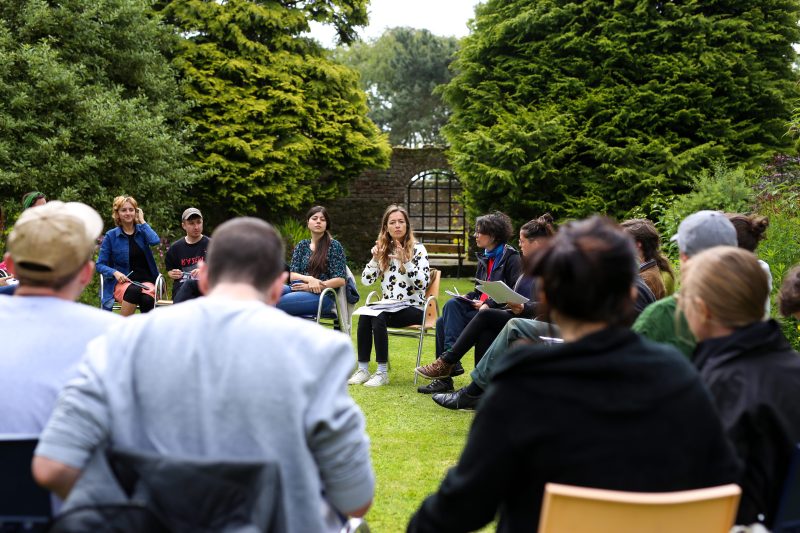
Join us for a weekend-long weekend-long programme of walks, talks and workshops about vertical horticulture.
From multi-storey skyscrapers of micro-greens to growing seaweed metres down to the seafloor to questions around land and water use in a changing climate, Grow Up is a programme of workshops, walks, and talks around vertical growing.
Surrounded by a sea of white polytunnels filled with Angus’ lucrative crop– strawberries–grown 1m above ground on tabletops, Grow Up explores vertical growing within its immediate context and asks, how can we ‘grow up’ and use our soil responsibly?
Tickets Available Here
Expect talks, walks, and workshops on seaweed, vertical agriculture, green roof design, the history of the allotment and much more…
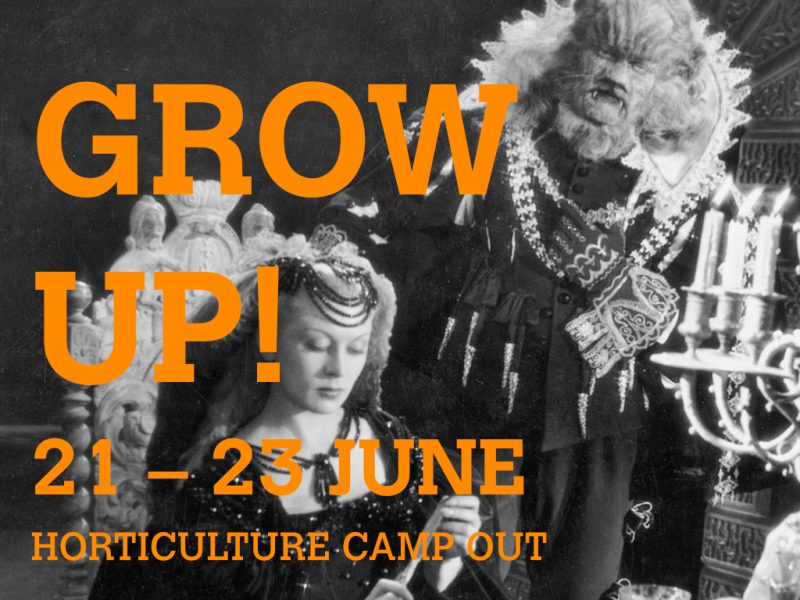
Evening programming includes music, campfires, a late-night bat walk and film screening of Cocteau’s La Belle et la Bete.
See below for information on some of the contributors and their plans for Grow Up…
Questions? Contact Community Gardener Carley Wootton, carley@hospitalfield.org.uk.
Weekend Programme
Friday 21 June
4pm Arrivals for camping in the Paddock
5:00 – 6:00pm Registration at the Biochar Burn. Setting up of the Burn.
6:00 – 7:00pm Guided walk around Hospitalfield’s grounds led by Community Gardener Carley Wootton and Programmer of Grow Up!
7.00pm Dinner
8:00pm Introduction to the weekend Programme
8:30pm Vertical Agriculture at the James Hutton Institute. Talk by Ramin Ebrahimnejad from Advanced Plant Growth Centre.
9.30pm Biochar Burn by Green Aspirations & Music from Flo Dill.
Saturday 22 June
8:00 – 9:00am Yoga for Gardeners
9:00 – 10:00am Breakfast inside/outside the Studios
10:00am – 2:00pm Workshop: Oban Seaweed Gardens Walk and Fertiliser Workshop (break and snack included)
2pm – 3pm Lunch
3 – 4pm Talk: Flo Dill on the history of Allotments
4.30 – 5.30pm Workshop: Activating the biochar as soil improver
6:00 – 7:00pm House Tour on the ecological features and themes of the collections
7:30 – 9:00pm Dinner
09:30 – 10:45pm Screening of La Belle et La Bête
11:00 – 12:00pm Bat Walk led by Tayside Bat Group’s Dr David Martin
Sunday 23 June
8:00am Optional morning swim in the North Sea
9:00am Breakfast inside/outside the Studios
10:20am – 11:00am Talk by Anne Daffertshofer on eco-criticism and art
11:30am – 1:00pm Using old pallets to make a vertical garden led by Carley Wootton and Kirsten Wilson.
1:00 – 2:00pm Lunch
2:00 – 3:00pm Talk by Nigel Dunnett on Green Roofs
4:00 – 5:00pm Group reflection followed by Dinner
5:00 – 6:00pm Dinner
Monday 24 June
8:00 – 10:00am De-camping for those who have stayed, tea/coffee available in the Studio.
Flo Dill
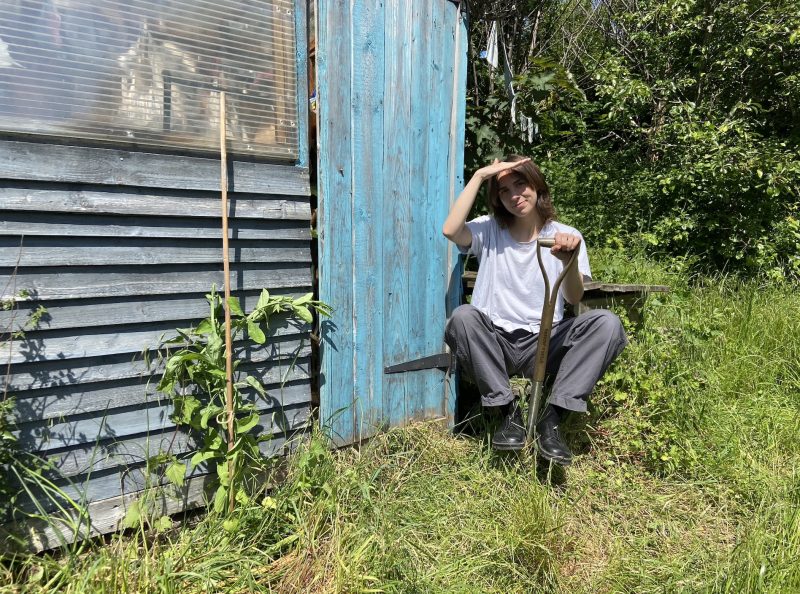
Flo will be talking about the unexpected social history of the allotment in Britain, a seemingly innocuous place which can be argued really has roots in attempted social control in the wake of the enclosures. Going from the 19th century to the present day, we’ll hear too about the role allotments can have in contemporary Britain in addition to their place in history.
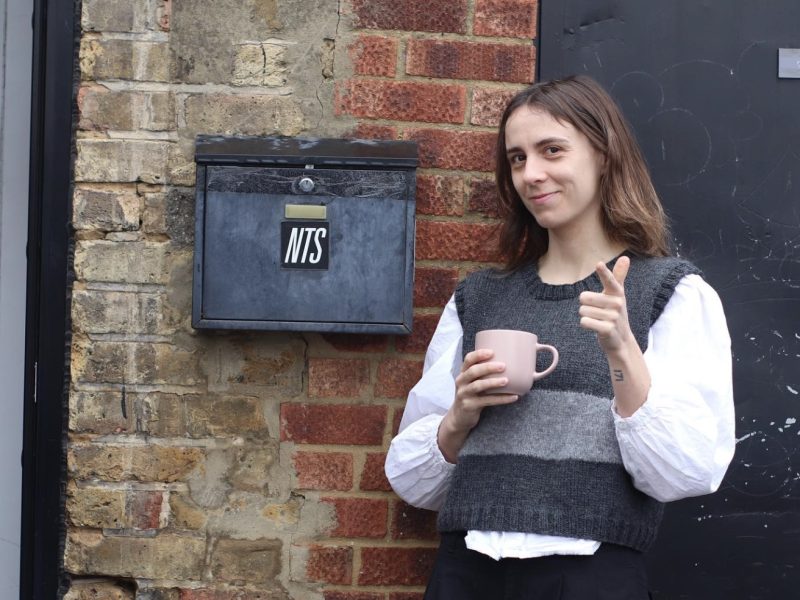
About Flo: Flo Dill is a London based radio host & keen gardener. From Monday to Wednesday she hosts the NTS Breakfast Show, waking listeners up with an eclectic mix of music from 1980s new wave, to contemporary jazz, to lesser known psychedelic pop. Outside of the show she hosts the podcast Digging with Flo, where guests from the worlds of music and art join her on her beloved allotment for a chat.
Nigel Dunnett
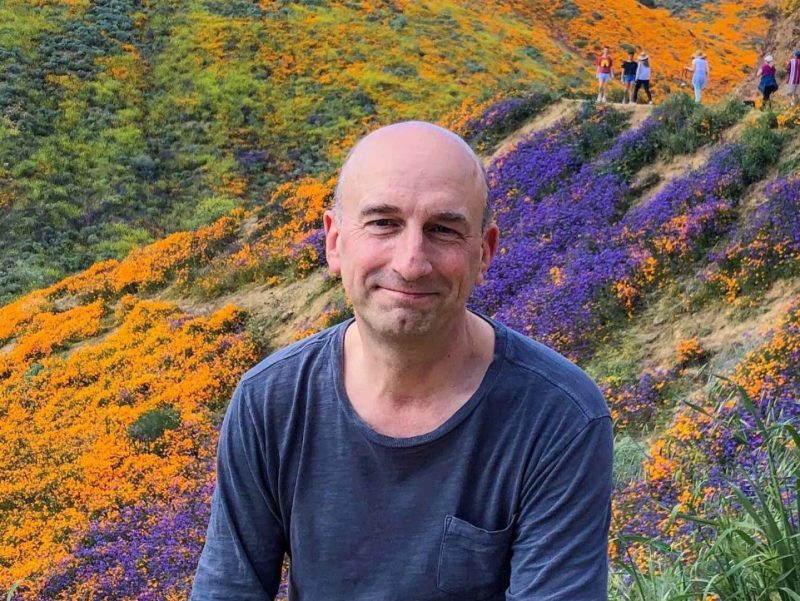
Nigel will outline his approach to designing with plants, integrating ecological and horticultural ideas, and will put the idea of a garden into a much wider ecological and social perspective. Nigel will discuss a range of current and recent projects, with a focus on how to introduce greening into difficult and hostile places, and will look in particular at green roof and roof garden techniques and projects.
About Nigel: Nigel Dunnett is Professor of Planting Design and Urban Horticulture in the Department of Landscape Architecture at the University of Sheffield, and is one of the world’s leading voices on innovative approaches to planting design. He is a plantsman, designer and pioneer of the new ecological approach to planting gardens and public spaces. His work revolves around the integration of ecology and horticulture to achieve low-input, high-impact landscapes that are dynamic, diverse, and tuned to nature.
Nigel Dunnett designed the Walled Garden here at Hospitalfield in 2021. We are very lucky to have a such a dynamic garden, with interest throughout the whole year.
Nigel’s other projects include: The Queen Elizabeth London Olympic Park (principal planting design and horticultural consultant, together with James Hitchmough); The Barbican Centre, London (new planting schemes for podium landscapes); Sheffield Grey to Green (Planting design for the UK’s largest retrofit inner-city greenway and water-sensitive scheme). Nigel is a gold medal-winner at the RHS Chelsea Flower Show. In November 2018 Nigel won the Landscape Institute Award 2018 for Planting Design, Public Horticulture and Strategic Ecology, and the Landscape Institute Fellows Prize for Most Outstanding Project, both for The Barbican, London.
Oban Seaweed Gardens
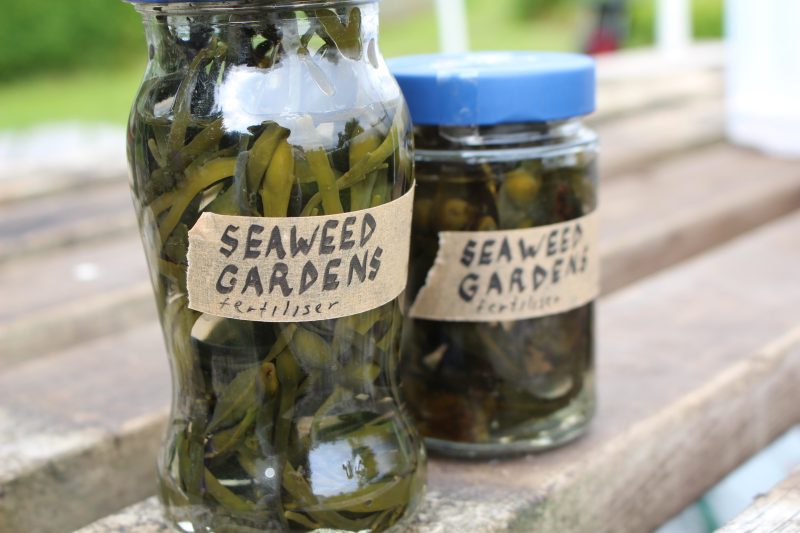
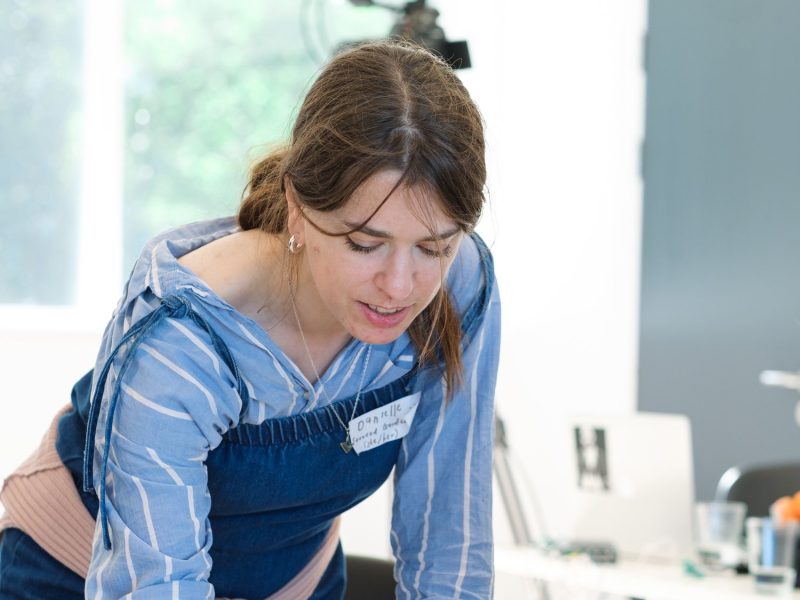
Danielle Banks of Oban Seaweed Gardens will be joining to lead a seaweed foraging walk and fertiliser making workshop. We’ll be looking at the vertical spaces on the coast and sharing what we’ve learned – properties and stories of different algae species along the intertidal zone. Together we’ll survey species and gather what’s plentiful, aiming to do so in a regenerative way. Following this, then we’ll pool our collected species into a seaweed tea for plants – a fertiliser, making use of the potassium, phosphorus and nitrogen held within them.
About Seaweed Gardens: Seaweed Gardens is a collective that uses science and art to proactively protect the environment through learning and engagement with the wider public. Seaweed Gardens is a grassroots group who formed around the idea of making use of the seaweed abundant on the shores in Oban, using it as a fertiliser in a local community garden, testing which species work best and building unlikely community connections in the process. Oban Seaweed Gardens wants to create a more resilient, diversely connected community, with 100s of ocean stewards and to fill the West Coast of Scotland with art with an environmental focus.
About Danielle: Danielle Banks is an artist based in Scotland (mainly Oban and Glasgow) who uses illustration and nature drawing to represent desires and hopes for the future and what people are currently doing to make those futures happen. Danielle seeks to use colour, story and pattern to capture attention and convey the emotions we feel when we’re working together in shared pursuit, like an environmental activity, crafts, community building, or investigating. Danielle’s visuals rebuild resilience and hopefulness in the face of the climate crisis, often by including real testimonies in unexpected places. She also organises and leads activities around nature, environment and community action.
Anne Daffertshofer
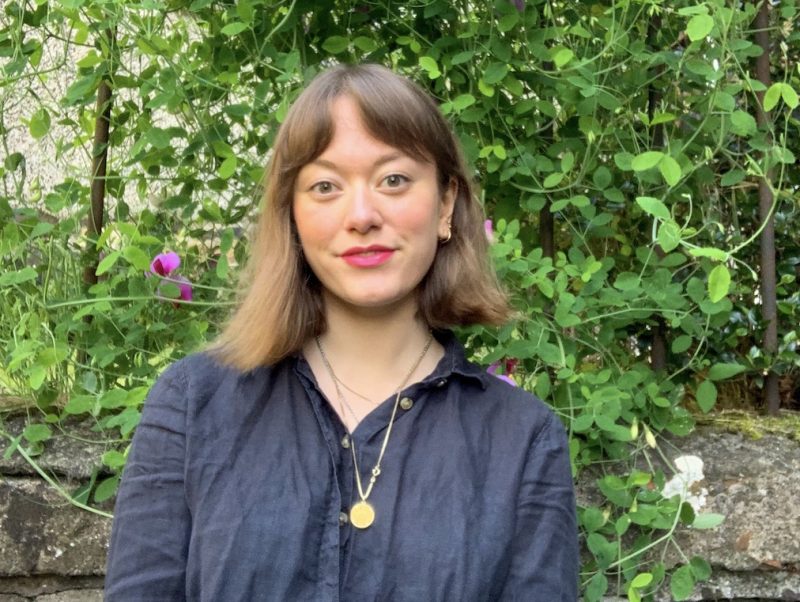
Anne will be giving a talk titled: ‘What’s art got to do with it? How an ecocritical art history can help us address the ecological crisis.’
When we talk about climate change, we tend to turn to the natural sciences. In recent years, however, the arts and humanities have increasingly sought to enter the environmental discussion. But what can art and art history contribute to these conversations? This is what this Anne’s Talk seeks to explore. It argues that integrating ‘ecocritical’ concepts into art and art history can help to raise awareness of issues such as the nature-culture divide, the aesthetic fetishisation of monocultures, and the colonial histories that have led, among other things, to the current ecological crisis.
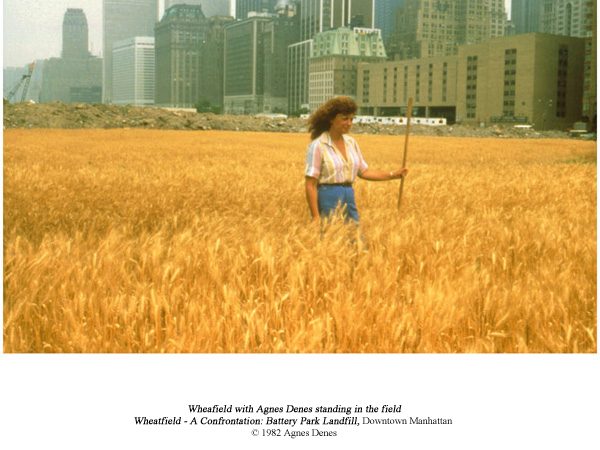
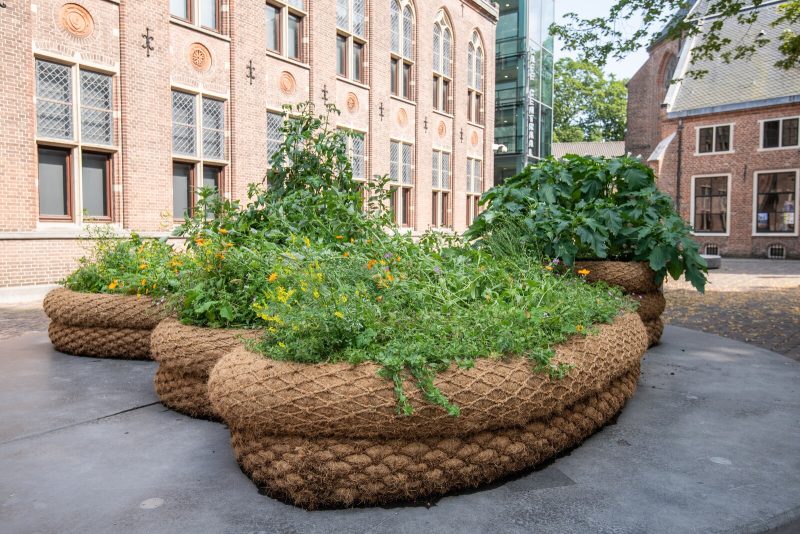
Anne’s Talk will apply an ecocritical perspective to works of art from different periods, including but not limited to Agnes Denes’ Wheatfield – A Confrontation (1982), Maria Thereza Alvez’s Seeds of Change (2012 – 2017) and Alexandra Daisy Ginsberg’s Pollinator Pathmaker (2023). While the physical iterations of all three works include a live, growing element, they each explore different themes, demonstrating the wide range of critical issues that can be discussed in the context of art and growing plants.
About Anne: Anne is a contemporary art researcher, writer and curator based in Fife. She is currently the Art Curator at the St Andrews Botanic Garden, and preparing to submit her doctoral thesis at the University of St Andrews. In her PhD, she works with the term “Anthropocene Mobilities” to discuss the meanings of movement in times of ecological crisis in and through contemporary art. Anne is particularly interested in ecocritical ways of writing art’s histories, and holistic approaches to art and life. She founded and directed Looking North, a series of online and in-person events which brought together artists, writers and ecological conservation projects to explore alternative approaches to landscape, nature and energy ethics.


Advanced Plant Growth Centre under James Hutton Institute
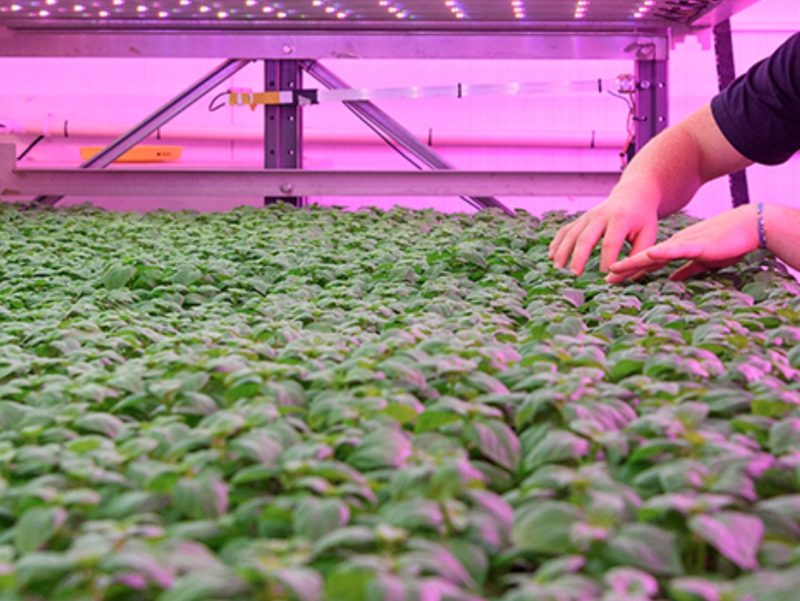
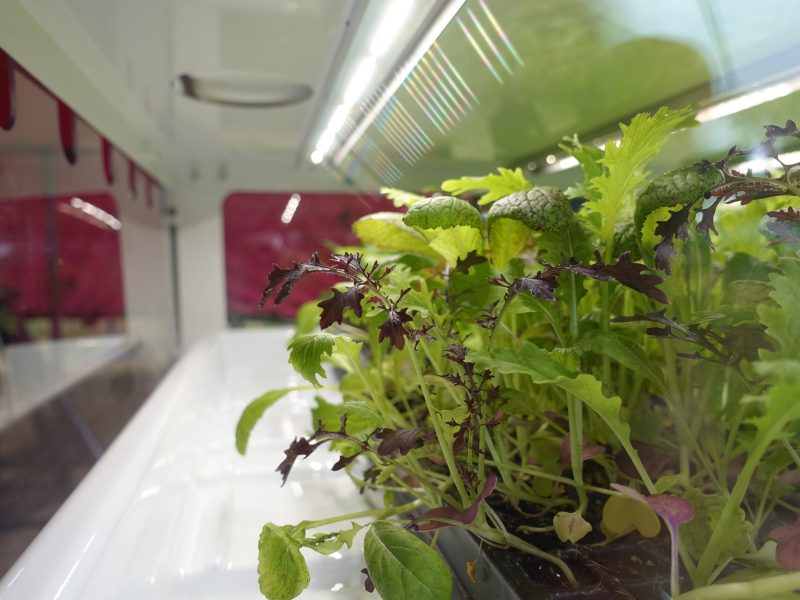
Ramin Ebrahimnejad of the Advanced Plant Growth Centre under the James Hutton Institute based in Dundee will join to give a presentation about vertical farming in the region. Ramin will teach us about the function of vertical farming as a research tool and an enhancement (not competition) to traditional farming. The talk will explore the benefits of vertical farming such as its potential to reduce water and pesticide use and increase crop yield.
About Ramin: Ramin is the Business Development Manager at the Advanced Plant Growth Centre (APGC) under James Hutton Limited, based in Dundee, Scotland. He spearheads initiatives to enhance APGC’s growth, focusing on bridging research and industry to maximise impact and innovation in controlled and precision agriculture.
Ramin previously worked at the Association for Vertical Farming (AVF). Ramin’s academic background includes a System Resilience Program from the University of Southern Denmark, an MSc in Agroecology from Shahid Beheshti University, and a BSc in Agricultural Engineering from Urmia University where he pioneered indoor farming techniques and evaluated advanced agricultural practices to improve urban food systems.
Ramin is committed to developing sustainable agricultural solutions and fostering collaborative communities to drive innovation and positive change in the agricultural sector.

Evening Programme
We have put together a very special programme for campers each night.
Friday
On Friday night, NTS’ Flo Dill will be playing a set alongside in our new digital studio. This will be happening alongside a Biochar burn taking place outside in the courtyard.
Drinks will be for sale from the garden shed and there will be fire, music, dancing and fun.
Saturday
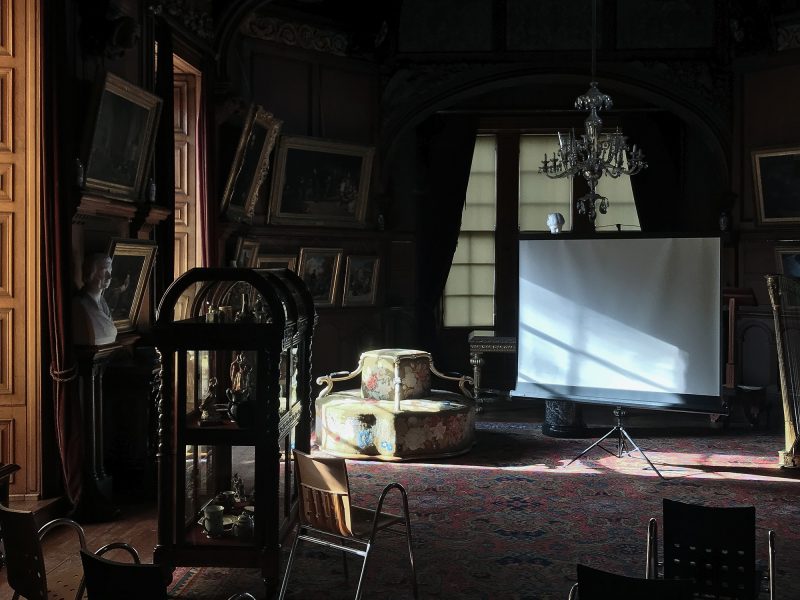
On Saturday night, we will screen Jean Cocteau’s 1957 La Belle et la Bete in one of our historic rooms; the very ornate picture gallery.
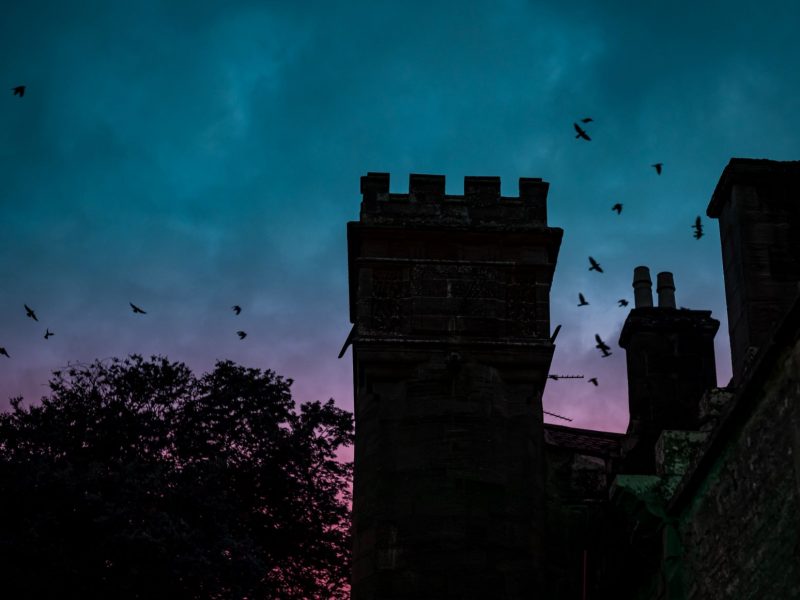
Following the film, we will make our way into the garden for a guided walk to watch and listen to our resident bats. We will learn about the different bat species here at Hospitalfield and across the UK.

Practical Information
The events will take place throughout Hospitalfield Studios and House, grounds, in Arbroath Town & the surrounding landscape. Please bring clothes suitable for outside and good walking shoes. Please bring warm socks as for some indoor activity in the house we will have our shoes off.
Arbroath has a bit of a micro-climate so often dry and sunny but there is a chance of rain of course and the temperature will go down to 8 degrees at night so please come prepared with plenty of warm things for a good sleep.
The programme starts at 4pm on Friday 21 June, when participants can arrive to set up tents and runs to the evening of Sunday 23 June. Participants have the option to stay over on Sunday 23 June and de-camp on the morning of Monday 24 June.
TRAVEL
Arbroath rail station is on the main line north from London / Glasgow/ Edinburgh to Aberdeen. Hospitalfield House is 25 minutes walk from the rail station (5 minute taxi ride).
The 39 bus runs from Dundee city centre to the end of our driveway (40 mins).
Our address is Hospitalfield House, Westway, Arbroath, DD11 2NH.
There is some space for car parking in our car park.
ACCOMMODATION
We are offering camping spaces in Hospitalfield’s beautiful grassy greens.
Please bring your own tent.
A torch will be helpful but it’s light most of the time in June!
There are normal toilets and washing facilities available in the house & studios.
An outdoor shower will be installed. Natural soaps and shampoo will be provided.
Please bring towels.
We understand that some people will want to stay in local B&Bs which we can help by recommending places.
FOOD
Hospitalfield’s chef will be providing delicious food for Grow Up!
We love working with local produce. A lot of the food will be vegetarian.
Please tell us in advance if you have any specific allergies so we can try to accommodate you.
There are shops nearby if you want to bring drinks to the meals.