
REBECCA CHESNEY: I MAY NEVER SEE YOU
I May Never See You: Rebecca Chesney
In 2024 Hospitalfield commissioned artist Rebecca Chesney as our first horticulture Artist in Residence. Rebecca was first invited to Hospitalfield by Lubaina Humid in 2016 as part of BLUSH, Hospitalfield’s Summer Open Exhibition by Tamara Henderson and Lubaina Himid, and through this came to know the house, collections, gardens and grounds well. Rebecca is a visual artist whose work examines our complex relationship with nature, by engaging with issues of culture, politics and power. Her artworks take the form of installations, videos, drawings, maps and creating large scale living sculptures.
For her residency over 2024-2025 Rebecca has been noticing and observing local species that are ‘species on the edge’ and in particular that of the Small Blue butterfly Cupido minimus, a butterfly that is solely reliant on the Kidney Vetch Anthyllis vulneraria plant for hosting of larvae. This symbiotic relationship creates a precarity that butterfly conservationists and ecologists have begun to explore by creating havens for Kidney Vetch and the Small Blue. Each egg laying site is carefully chosen by the adult butterflies whose larvae live only in the flower heads where they feed on developing anthers and seed. As a grassland species, Kidney Vetch’s landscape is eroding through human development, so too does the population of the Small Blue butterfly. The Angus coastline has become a surprising stronghold for some, with butterflies being spotted within golf courses and cliff sides. Rebecca is interested in the interspecies relations of not only the plant and butterfly, but of those people that are monitoring and conserving the Small Blue and its habitat. Striving to save these ‘On the Edge’ species is important to maintain biodiversity within our natural environment. As many species have codeveloped through evolution, our eco-system is reliant on a delicate balance of multispecies interactions.
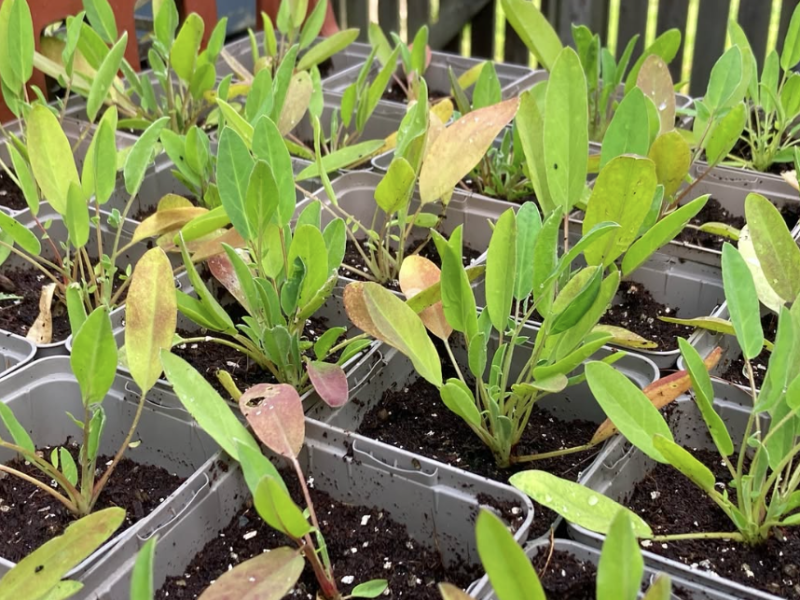
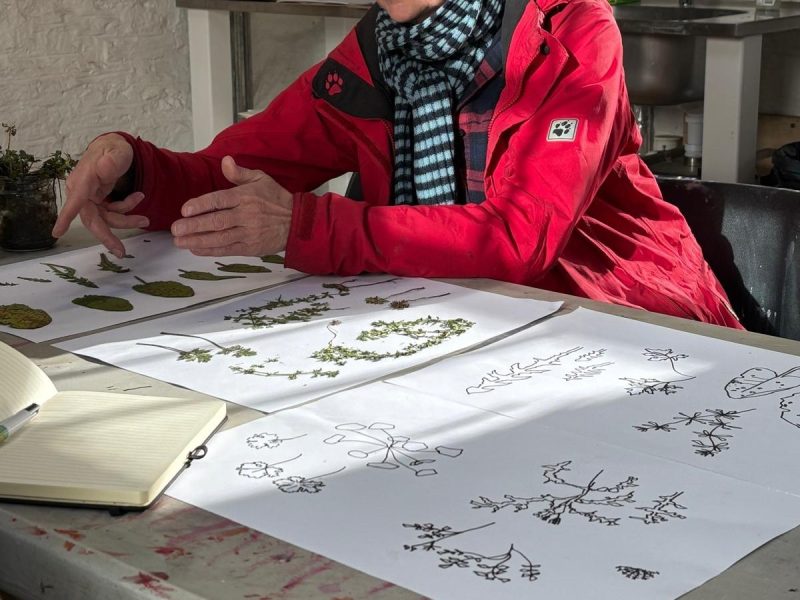
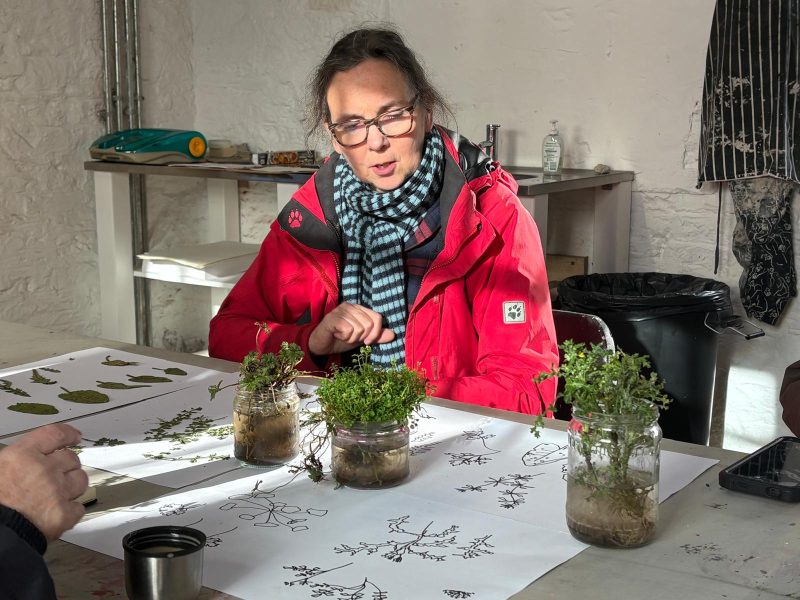
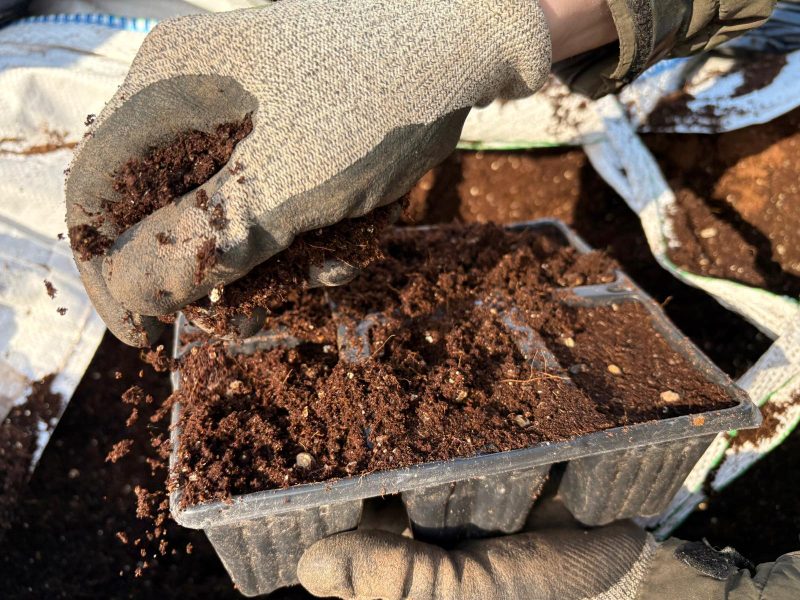
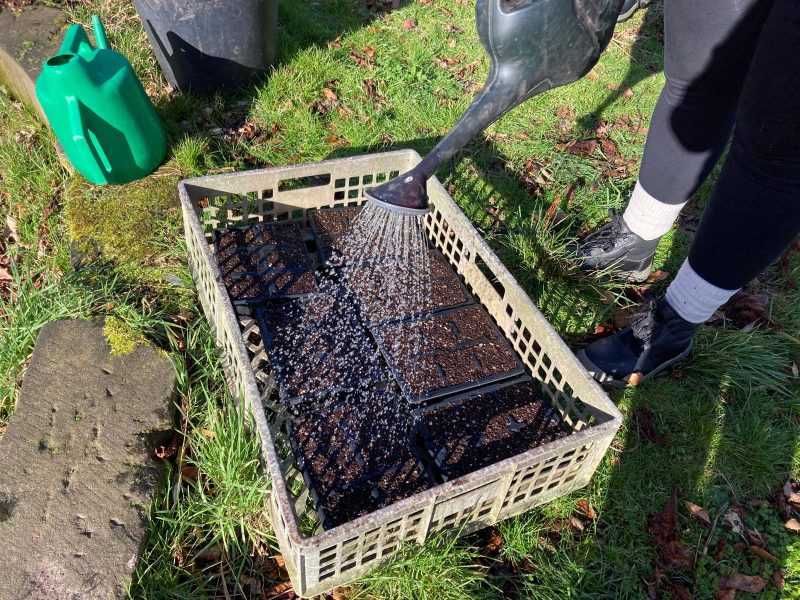
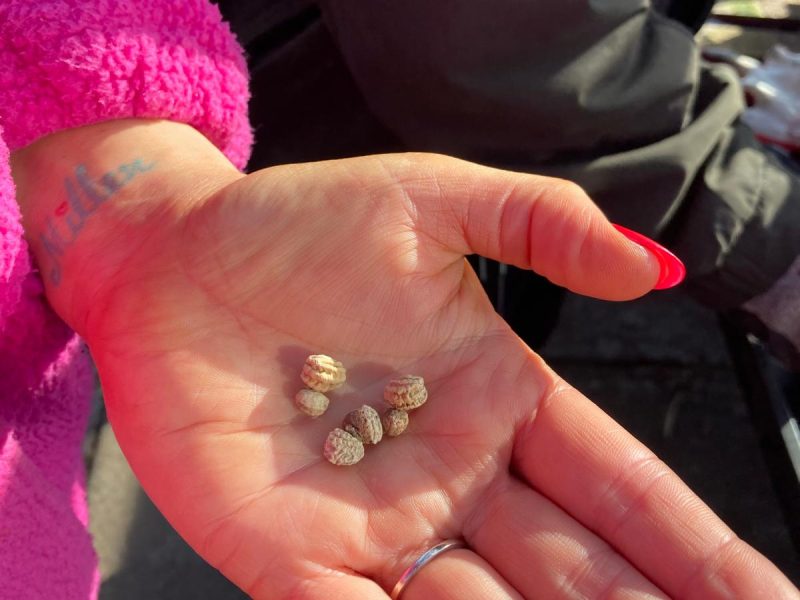
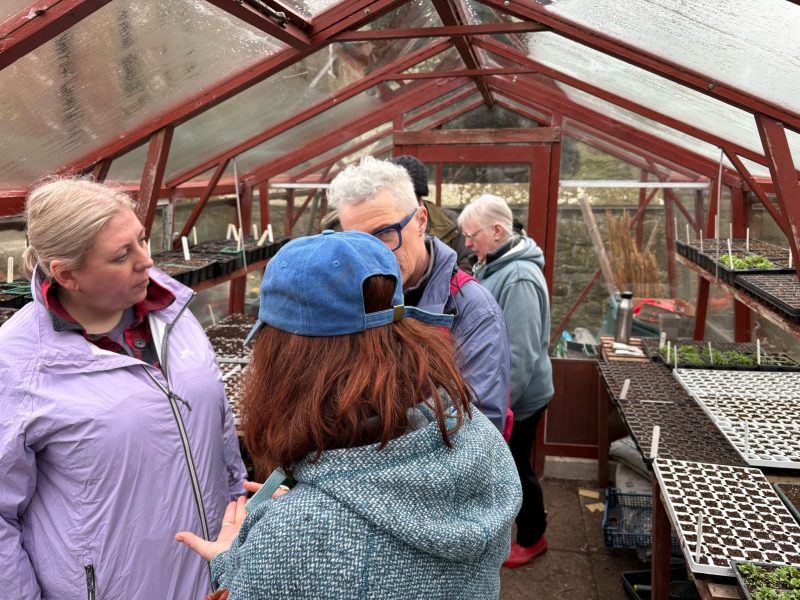
For I May Never See You Rebecca has allocated a section of our Walled Garden to develop a Kidney Vetch seed bank (seed banks preserve genetic diversity for the future). This seed bank will be shared by Hospitalfield and Chesney, relying on a network of people for the future of this plant and thus the Small Blue. Each person who takes a seedling or pack of seeds to cultivate will be given instructions and a monitoring pack hand printed by the artist. As a caretaker of the plants, they will be encouraged to notice, is it thriving or not? What conditions does it prefer? When is it flowering? You may never see a Small Blue, but these notes and information shared with Hospitalfield will then create a map that will feed information back to organisations working together to monitor and help this delicate species.
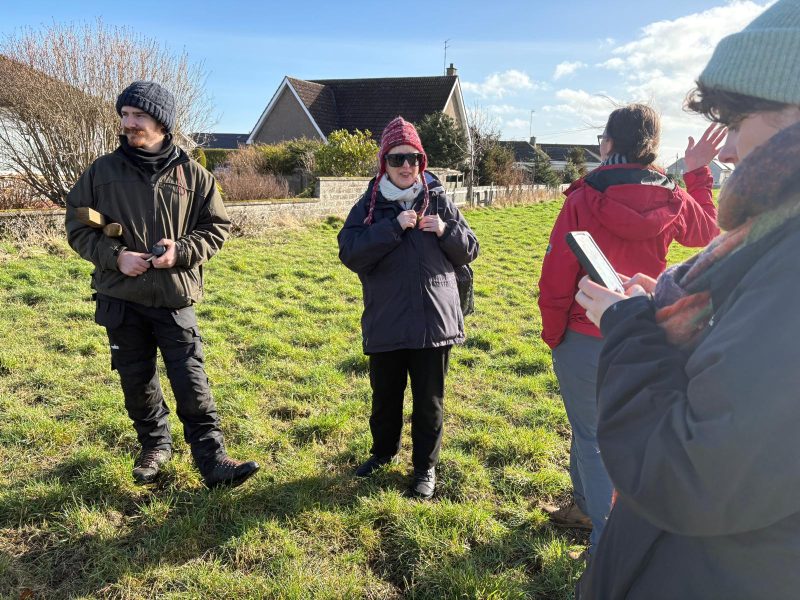
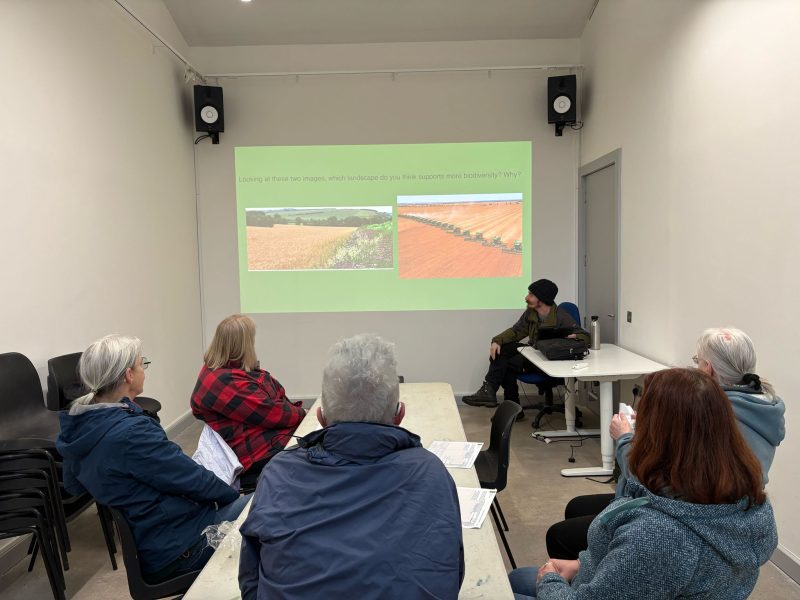
In parallel to the planting of the Kidney Vetch seed bank, Rebecca has worked with volunteers to develop an L-shaped strip of Hospitalfield’s land into a corridor for pollinators and wildlife that we want to share with our community; on one side is farmland and on the other our neighbours. It is a threshold or piece of land at ‘the edge’, left behind when parts of the estate were sold for housing. In early 2025 we worked with gardener Joseph Burns, Horticulture Artist-in-Residence Rebecca Chesney, Community Coordinator Kristina Aburrow and a team of dedicated volunteers to design this corridor. Over the next months and years we hope to see this space transformed to form a place for pollinating insects and birds with wildflowers and early flowering trees and shrubs. The pollination corridor at Hospitalfield is a reminder that small, local actions can contribute to much larger change. Together, by making space for nature, we can tackle biodiversity loss, strengthen our ecosystems, and reconnect with the land around us.
If you are interested in this project please email info@hospitalfield.org.uk to learn more.
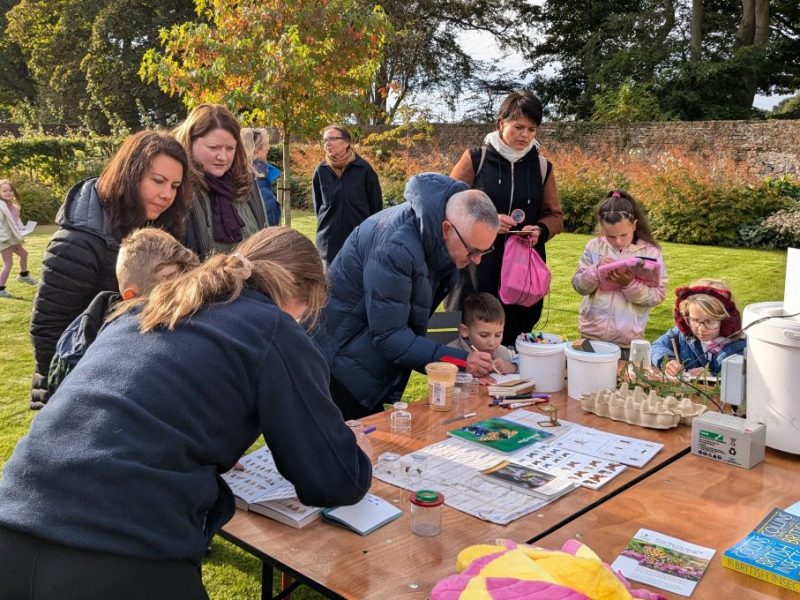
Moth Breakfast, 29 September 2024
Rebecca Chesney and Buglife’s Caitlin McLeod held a Moth Breakfast event where people could analyse what was caught in overnight moth traps placed in our Walled Garden. Moth traps are lamps and vessels that capture a variety of moths and night flying insects without harming them and allow us to look more closely at these amazing insects.
Our walled garden, designed by Prof. Nigel Dunnett, has key species plants that help support and encourage biodiversity, this is a chance to look more closely at what special creatures live in and support our local ecology and hear more about our future projects.
About the Artist
Rebecca Chesney’s work is concerned with how we perceive land: how we romanticise, translate and define it. Chesney looks at how politics, ownership, management and commercial value all influence our surroundings and have made extensive investigations into the impact of human activities on nature and the environment. Weather, water quality, air pollution, land ownership and management, sea level rise, habitat loss and decline of species are all subjects my work continues to examine, taking the form of installations, interventions, habitat creation, drawings, maps and walks. Exploring the blurred boundaries between science and folklore, Chesney’s work is also concerned with how our understanding of nature is fed by a confused mix of truth and fiction.
Commissions include British Textile Biennial, HOME Manchester, Yorkshire Sculpture Park, Compton Verney, Newlyn Art Gallery, the Brontë Parsonage Museum, and Grizedale Arts. Awards include a Paul Hamlyn Foundation Award for Artists, a Gasworks International Fellowship to CONA in Mumbai, India and a Lucas Artist Fellowship to Montalvo Arts Centre in California, USA. I have been invited on a number of residencies including TONSPUR in Vienna, Austria, the Nirox Foundation in South Africa, the Museo Casa Rural di Carcente in Italy, and a Peak residency in the Brecon Beacons National Park in Wales.